Painted Pianos
Words by Suzanne Bird
The Hastings International Piano Competition 2026 is almost here and the excitement is building. The competition showcases exceptional talent and offers great opportunities to brilliant young musicians, but Hastings International Piano (HIP) is also committed to making the power of music available to everyone. HIP’s new initiative brings these aims together with its Painted Pianos project.
The project involves three local groups working with artists and members of their communities to transform three upright pianos into colourfully painted and playable pieces of art. Once completed, the painted pianos will be placed in public spaces for anyone to create music on during the Hastings International Piano Competition, from 26 February to 7 March. More of that later.
Click the headings below to find out more about the project!
-
The three sets of piano painters are from organisations doing great work in the Hastings community: Seaview Project, Arts on Prescription and Project Art Works. The painting at Seaview is being led by local artist Sophie Malpas and the Arts on Prescription project is being facilitated by artist and illustrator Marta Munoz (working with designer and joiner Bart Long). Finally artist Mark Lockton is taking the lead over at Project Art Works. It’s been fascinating to hear about the thinking and processes involved in each of the projects, as well as some of the creative inspirations for the designs.
-
The completed Seaview piano will be displayed at Hastings Station to brighten every traveller’s journey through the busy transport hub. After that, the plan is for it to be donated to Seaview, with the ambition for a longer project where service users can play the piano, or even have piano lessons.
Project Artworks’ finished piano will be displayed in the Courtyard at Source Park, where it will be hosted by Badger, the new underground music venue and community there that supports artists, creatives and promoters. I asked Kate Jaggers, Badger’s Founder, why she wanted to be involved: “Badger is delighted to be partnering on this project with HIP, who totally align with our values and mission to support young creatives. Source Park has always been a safe space for young people to be themselves and learn new skills like BMXing. Since May 2025, Badger has expanded Source Park's underground offering into music with multiple new music venues for emerging and existing artists now available. The HIP painted piano which will reside in our popular food Courtyard is the perfect opportunity for our talented music community here to experiment and push their creative boundaries.”
The piano being painted by the children at the YOYO Arts Club with Arts on Prescription will be displayed at Tesco Extra in St Leonards for shopping families to enjoy. Lisa Noon is a Community Champion at the store and she said, “Thank you to the Painted Pianos project for asking Tesco Hastings Extra to be involved. We are really happy to be playing a small part in this community project.”
-
All the pianos will be on display and available to play from 26 February - 7 March
ARTS ON PRESCRIPTION PIANO - Tesco Extra, St Leonards
PROJECT ART WORKS PIANO - The Courtyard, Source Park
SEAVIEW PIANO - Hastings Station Concourse
-
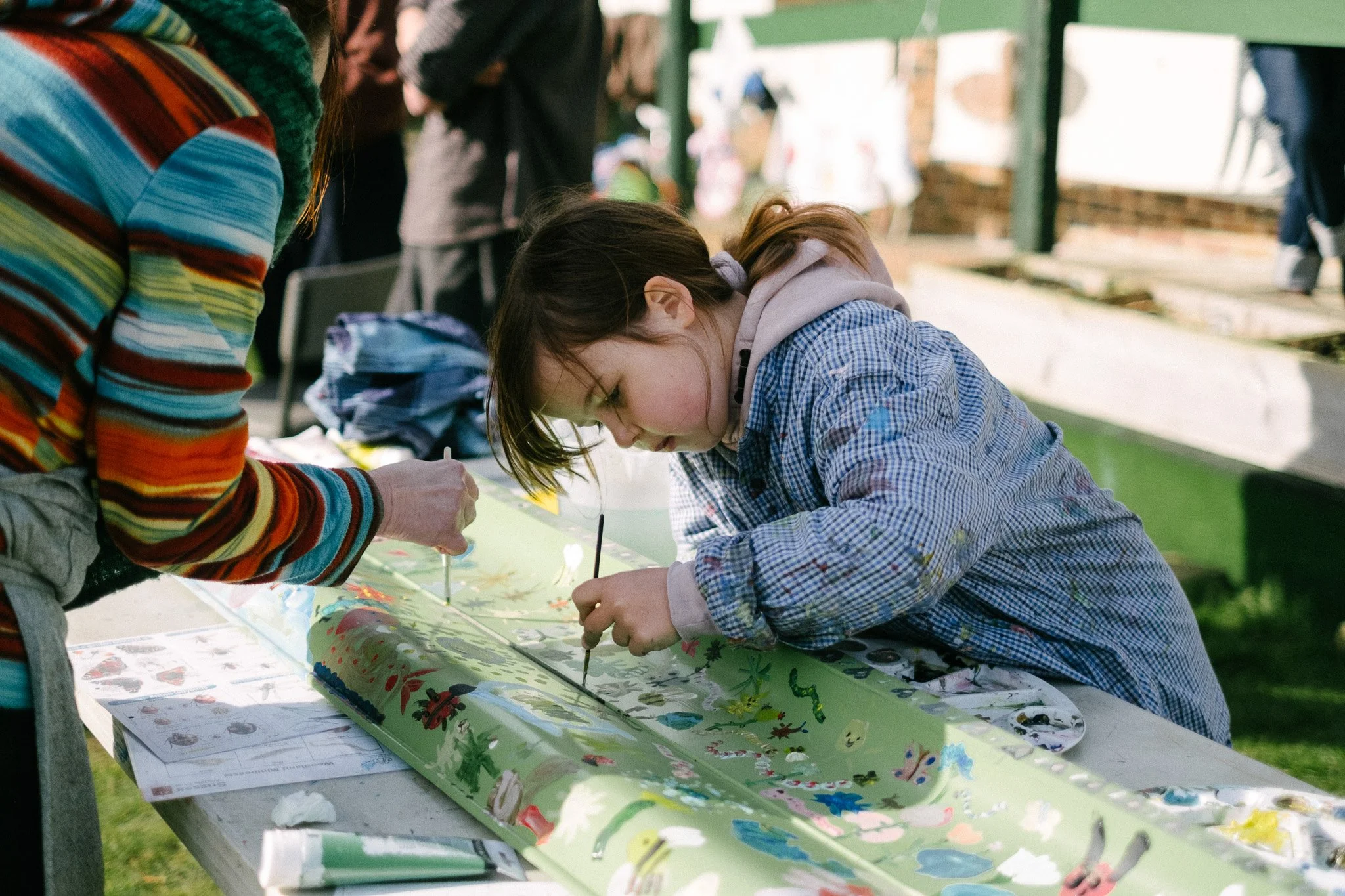
Marta Munoz and Bart Long were both excited to work on a piano with the wellbeing charity Arts on Prescription, based at Art in the Park in Alexandra Park. Marta already works with the charity, including running the YOYO Art Club for children and families. They are the ones painting the piano, and she is thrilled to bring such an exciting real life project to this group. I asked Marta what excited her most about this project and she said, “We are already a strong community group, and we have some brilliant little artists on board. The children (and their parents) were very excited. Some of our adult volunteers have also got stuck in - it was lovely to see everyone working together.”
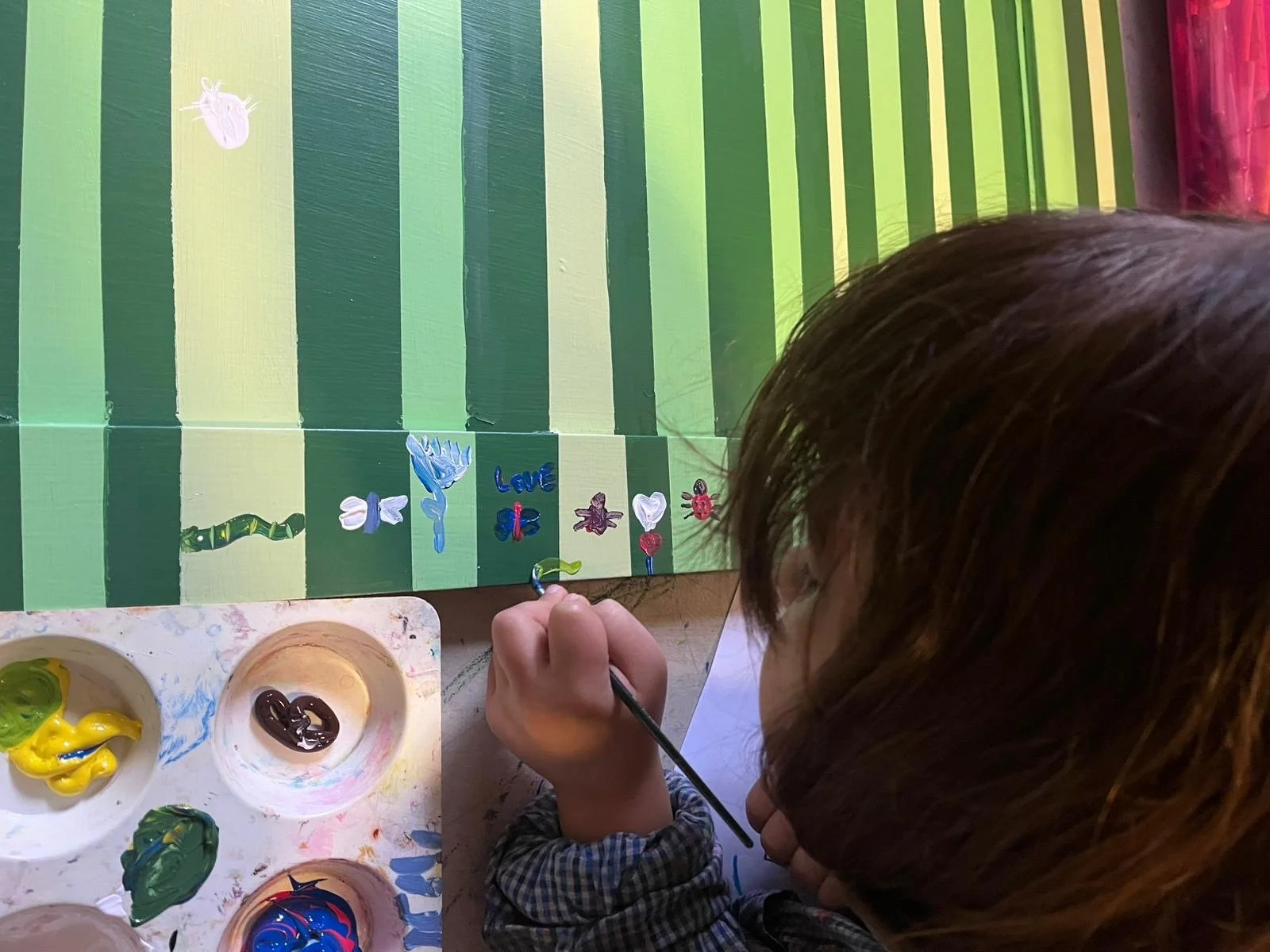
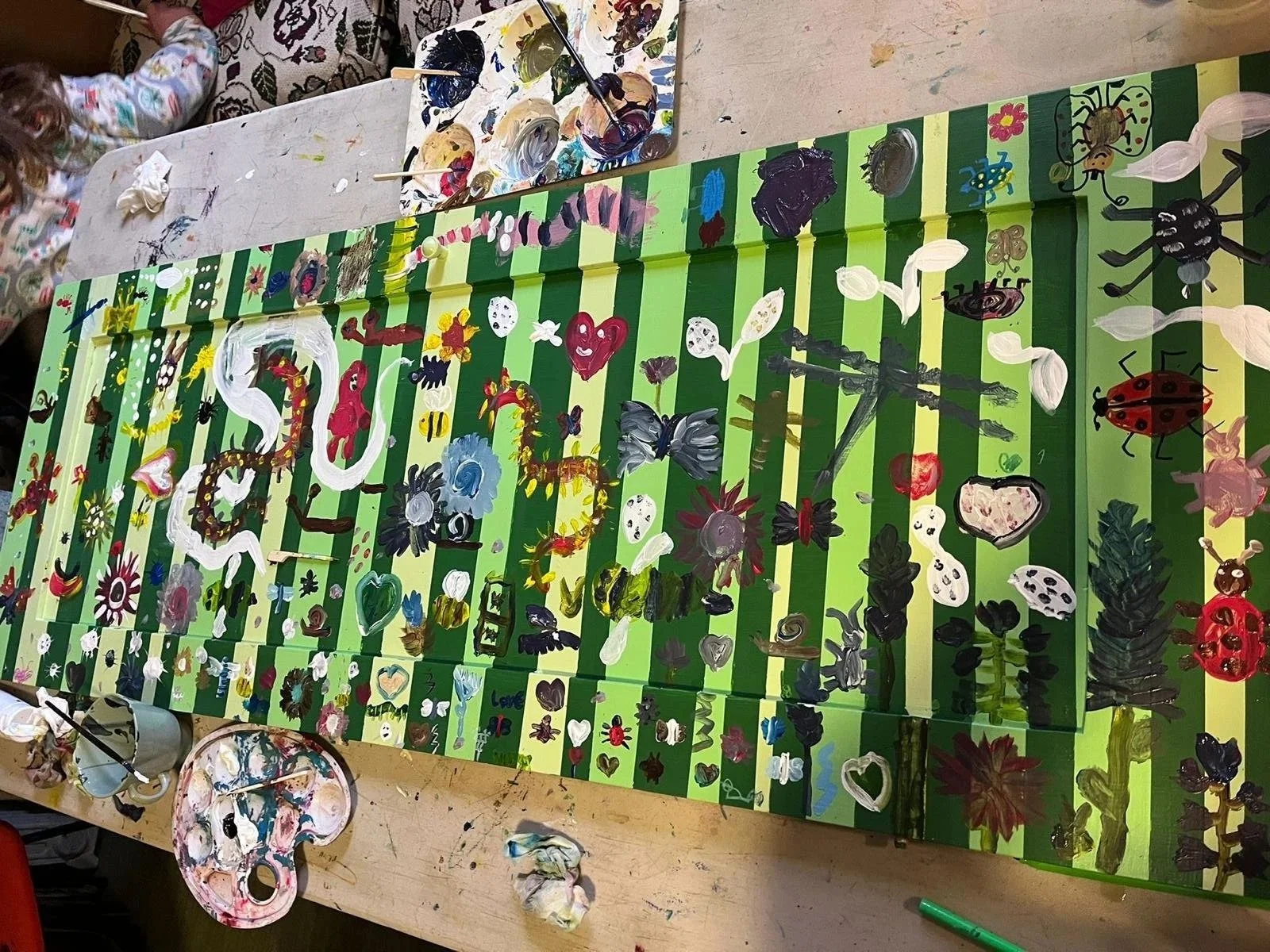
Bart and Marta took the piano apart in Bart’s joinery workshop to make the panels easier for children to paint. Working this way will also give the project an element of surprise when the piano is re-assembled for the unveiling. The next step was painting a base for everyone to decorate. Marta said, “We thought about the background carefully. Rather than keep the piano blank, we decided to create patterns which represent shadows of the man-made fences around the park, and the colours represent all the beautiful greenery.”
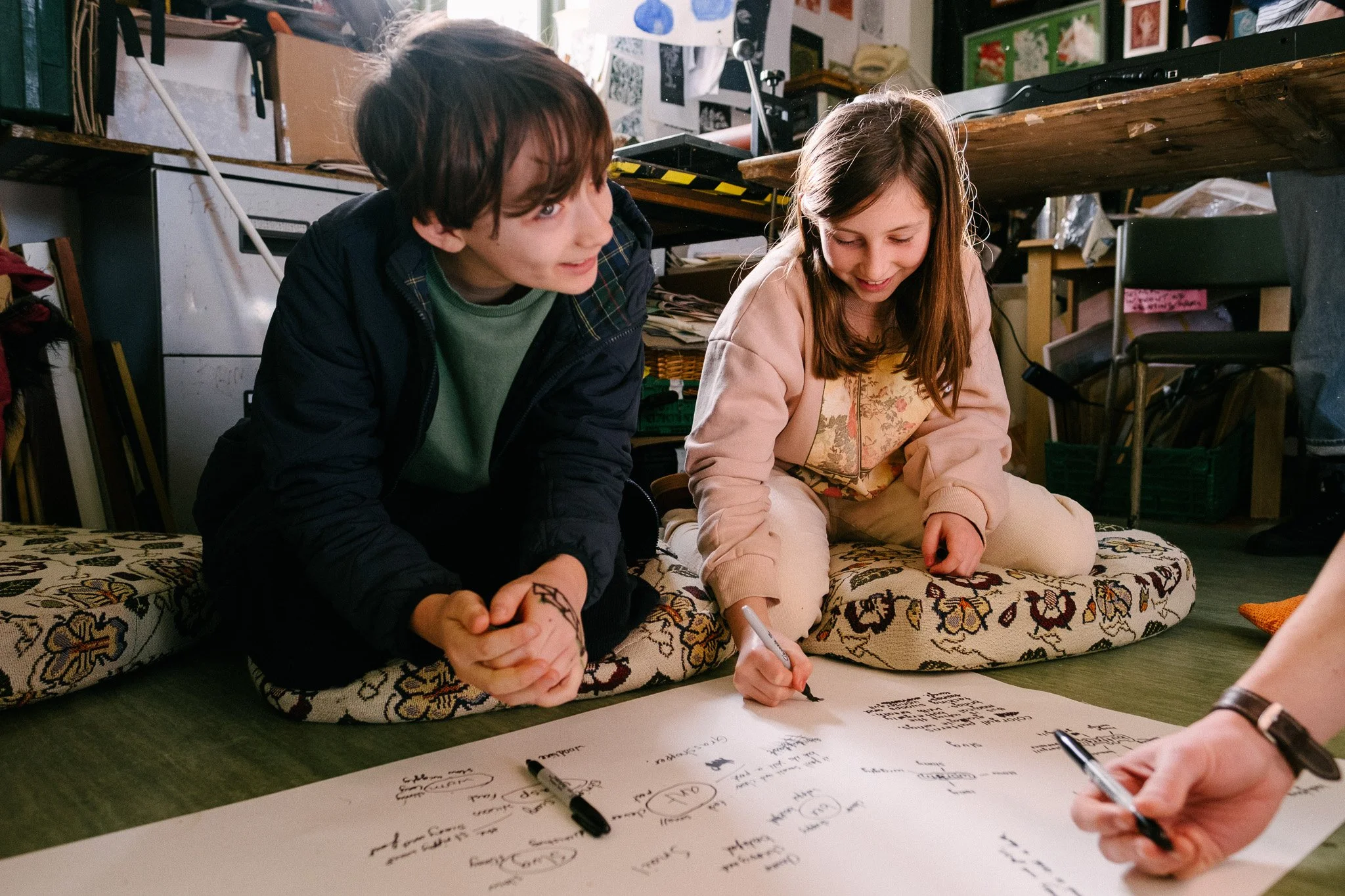
The next stage was to get the children being creative. Marta explained, “We started off with the children doing fingerprints, but they all asked for paint brushes and wanted to draw and paint, so we had to go with their energy! We brainstormed with them first on paper and then with a practice board they could try painting on first, before the real panels. They loved working with acrylic; they found the paint nice and thick and liked its lovely bright colours. A little 6 month old baby did a finger print, and another child added eyes and legs to make it look a little more bug-like. It has been a real collaboration!”
Art in the Park’s surroundings were the main inspiration. “Our work with the YOYO art group is almost always nature based, so it felt natural to bring together ideas and inspiration from all our sessions and reflect it on this real life project… We said, ‘Imagine the piano was left outside all night, and all the insects and bugs from the park came out to play the piano and dance in the moonlight, creating patterns on the piano!’ We played piano music to help the children focus and be inspired, and offered nice snacks to keep them going.”
The final design is going to be really vibrant and uplifting. Marta said, “It looks very busy, which reflects the energy of the group and of course the real-life insects in the park.” Finally, I asked Bart about his experience with the project and he said, “It’s been a wonderful project to be involved in and to work with such enthusiastic and talented children. I’m really looking forward to seeing the piano in its public space, being played and coming alive.”


-
Sophie Malpas is another artist who’s given her time and creative energy to the Painted Pianos, working with clients at Seaview Project. Seaview offers practical help, advice and support to those who are marginalised and most at risk, and Sophie said, “I’m thrilled to be collaborating with Seaview, as they do extraordinary work supporting people in our community.” Before the project began, she also said, “The Painted Piano Project is about bringing people together through creativity and I'm particularly excited to explore colour as a way of expressing joy and connection.”
Sophie has worked closely to facilitate the project with Seaview volunteer Toni Sheppard. Toni already works on art projects there and knows the service users, but Sophie needed to get to know people at the start: “In the first session I wanted to get to know everyone, to introduce myself and the project and just generally have a chat and a cup of tea! We also did some collaging, which is a way to create without needing to create something 'perfect'. It can lead you to surprising places, which is why it's so much fun, and it felt like a great place to start! We had a great first session, starting to open up conversations about what Seaview means to everyone who uses the service.”
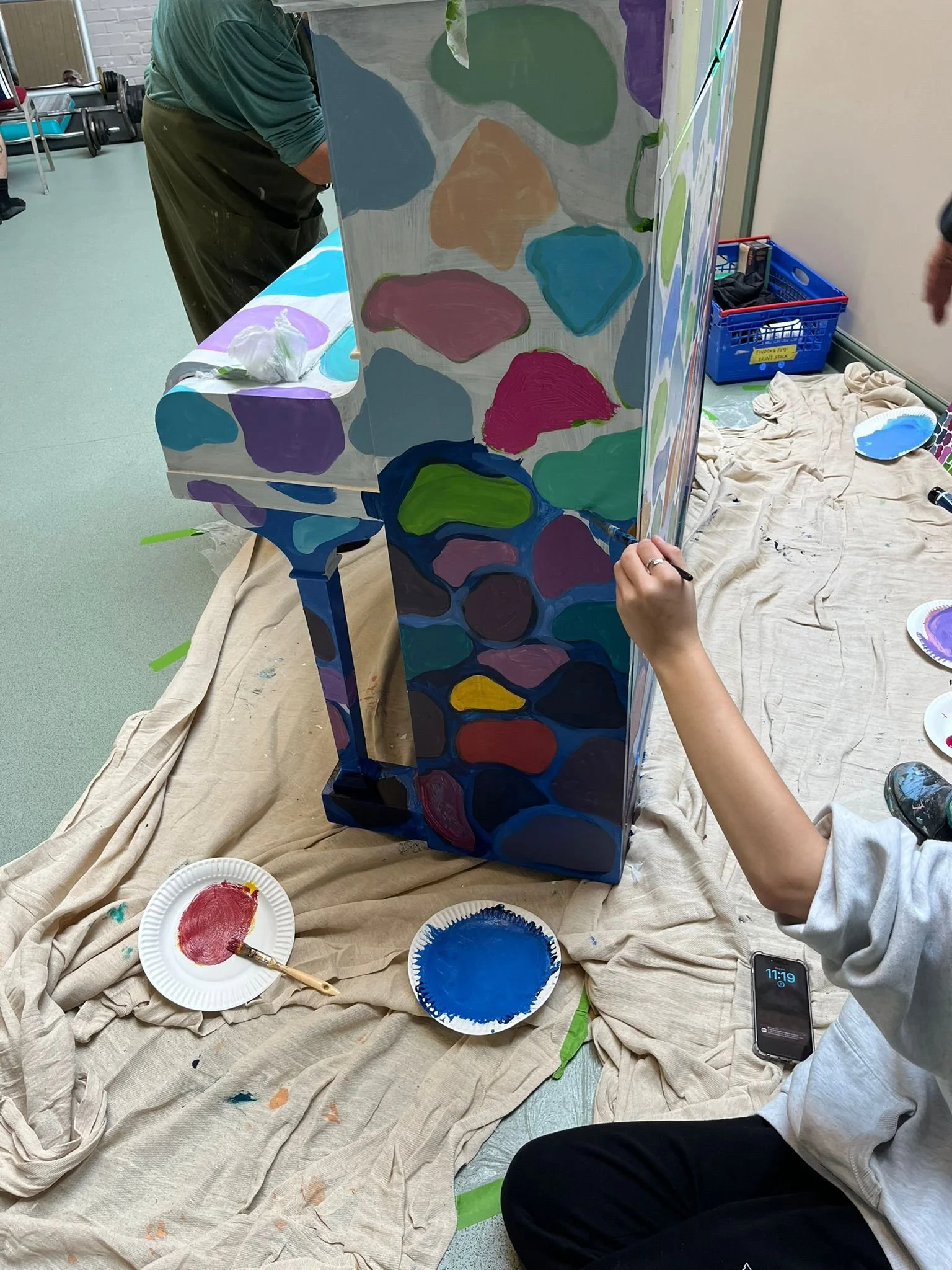
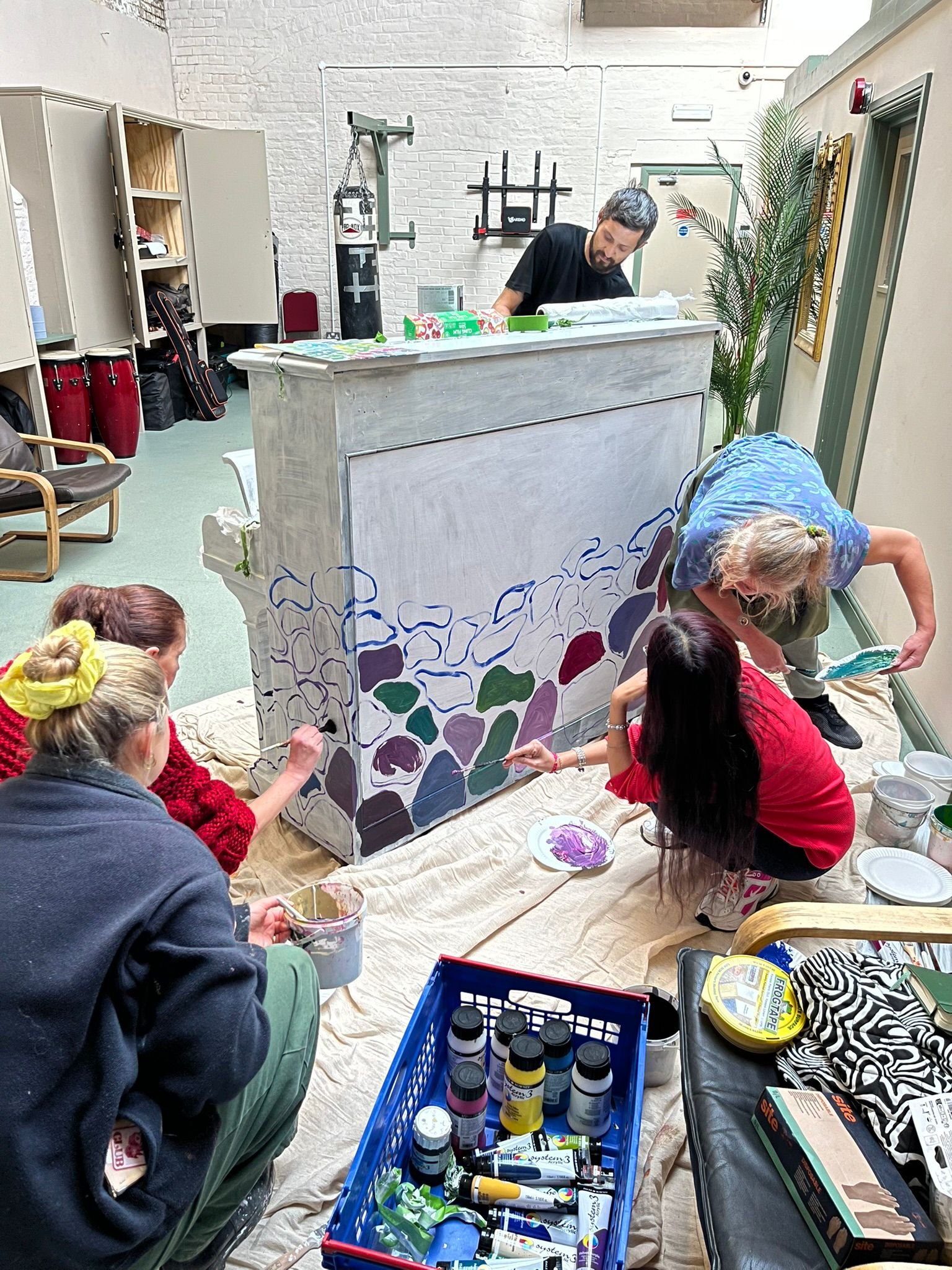
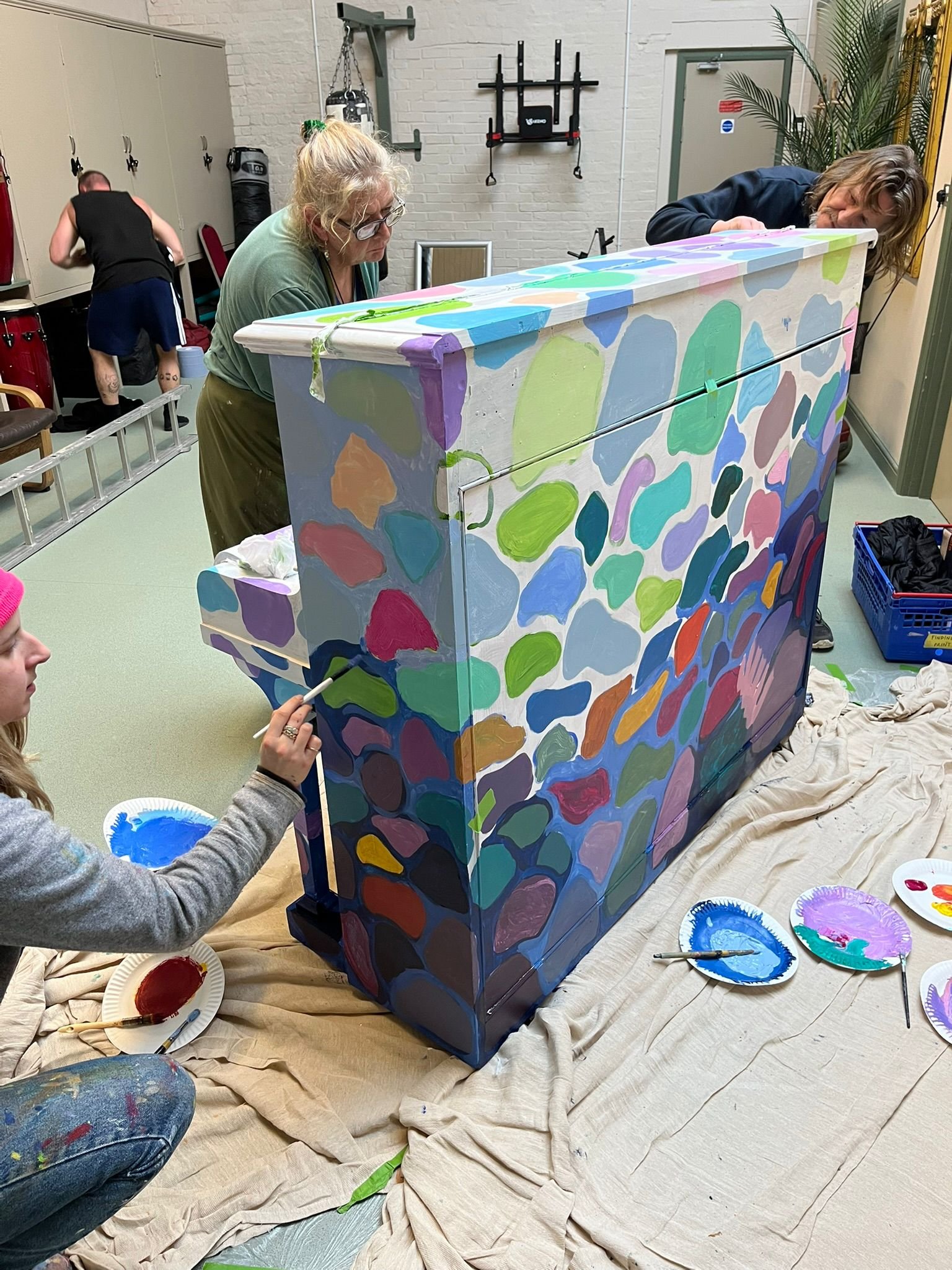
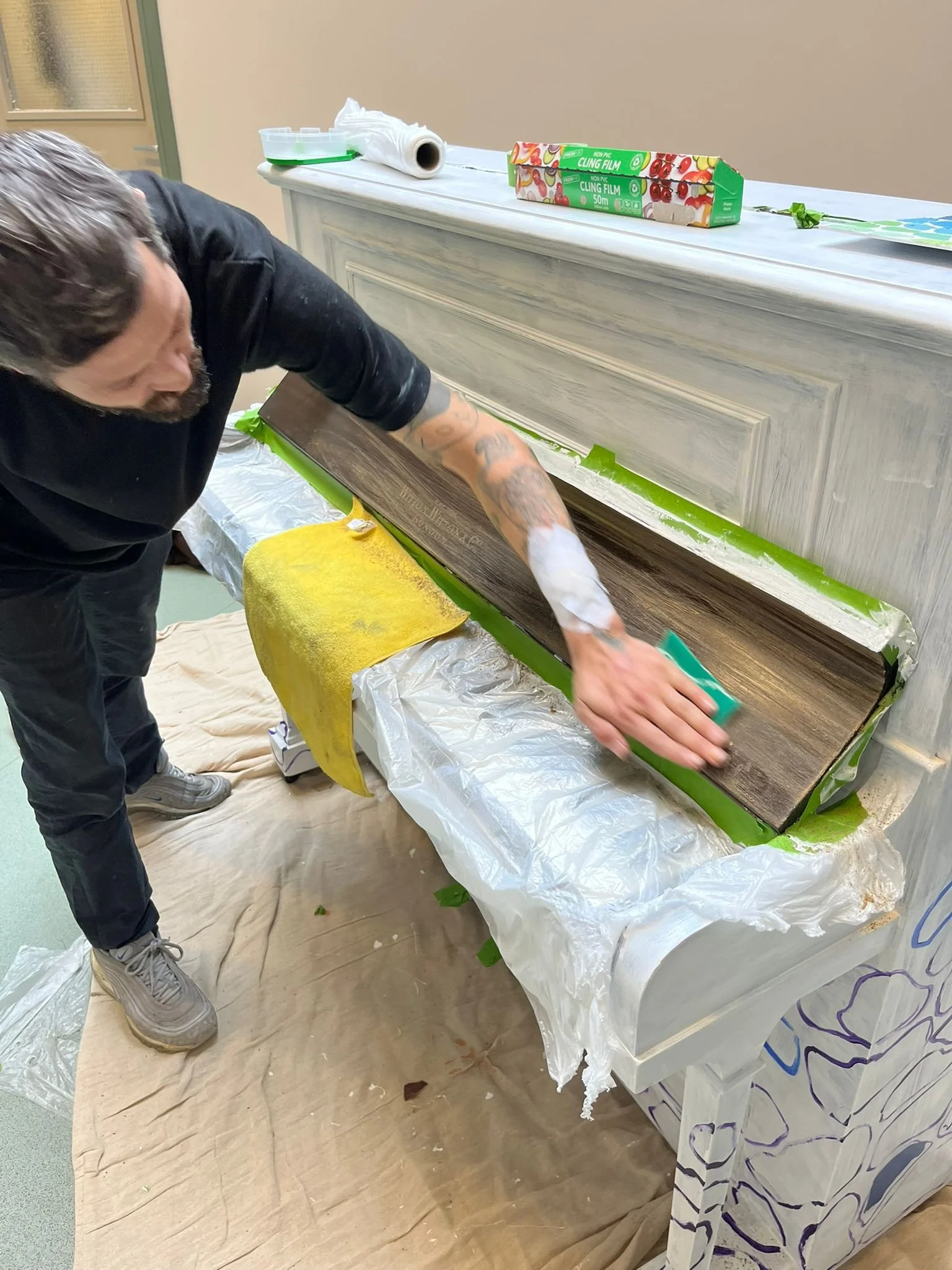
The next week, they sanded and primed the piano, and enjoyed a colour-mixing workshop, talking about colour theory and talking about the emotions colours can evoke – and what colours everyone associated with Seaview. Sophie told me, “It's incredibly relaxing to sit and mix colours, so it was an accessible opportunity for many different people to get involved and create, just thinking about colour and mixing paint! ‘Seaview blue’ (from the logo) came up a lot, as well as an array of teals, greens, gentle rose pinks - very peaceful tones that promote feelings of support, calm and serenity. We also had conversations about how Seaview is a place that is really grounding for lots of users and discussed using a rock/pebble pattern on the piano, as well as a gradient representing going from a dark place to feeling lighter.”
Toni explained the emerging project theme: “The overall concept was built on the ideas that often at the start of a crisis, everything feels 'rocky, rough, dark and oppressive'. But with support such as Seaview, the load begins to lighten. It's simple but very honest.” Sophie also told me that Toni created a piece during the colour mixing workshop that became the palette for the piano and which she said has worked as a beautiful reference point throughout the project.
I asked Toni about her involvement at Seaview and with the project. She told me, “I volunteer on Friday mornings, loosely facilitating what I call our Arty Farty Crafty group, which comprises of only a small handful of die-hards! Because of the unpredictable nature of addiction, mental health challenges and life-changing events, our community cannot often commit to long-term projects. So I never apply any pressure around the sessions. We have a sort of 'have a go if you want to' attitude to the mornings.” And this project has been the same - Toni said that initially there wasn’t a lot of enthusiasm for the project from Seaview’s service users, with a lot of people either “off sick, or feeling the ‘winter blues’”, but interest has built since the colour mixing workshop. She said, “On our third week of the Project, the piano really started to come together! And some positivity with it. It has become not only a talking point, but an icebreaker for conversations around peoples skills, talents, interests and much more!”
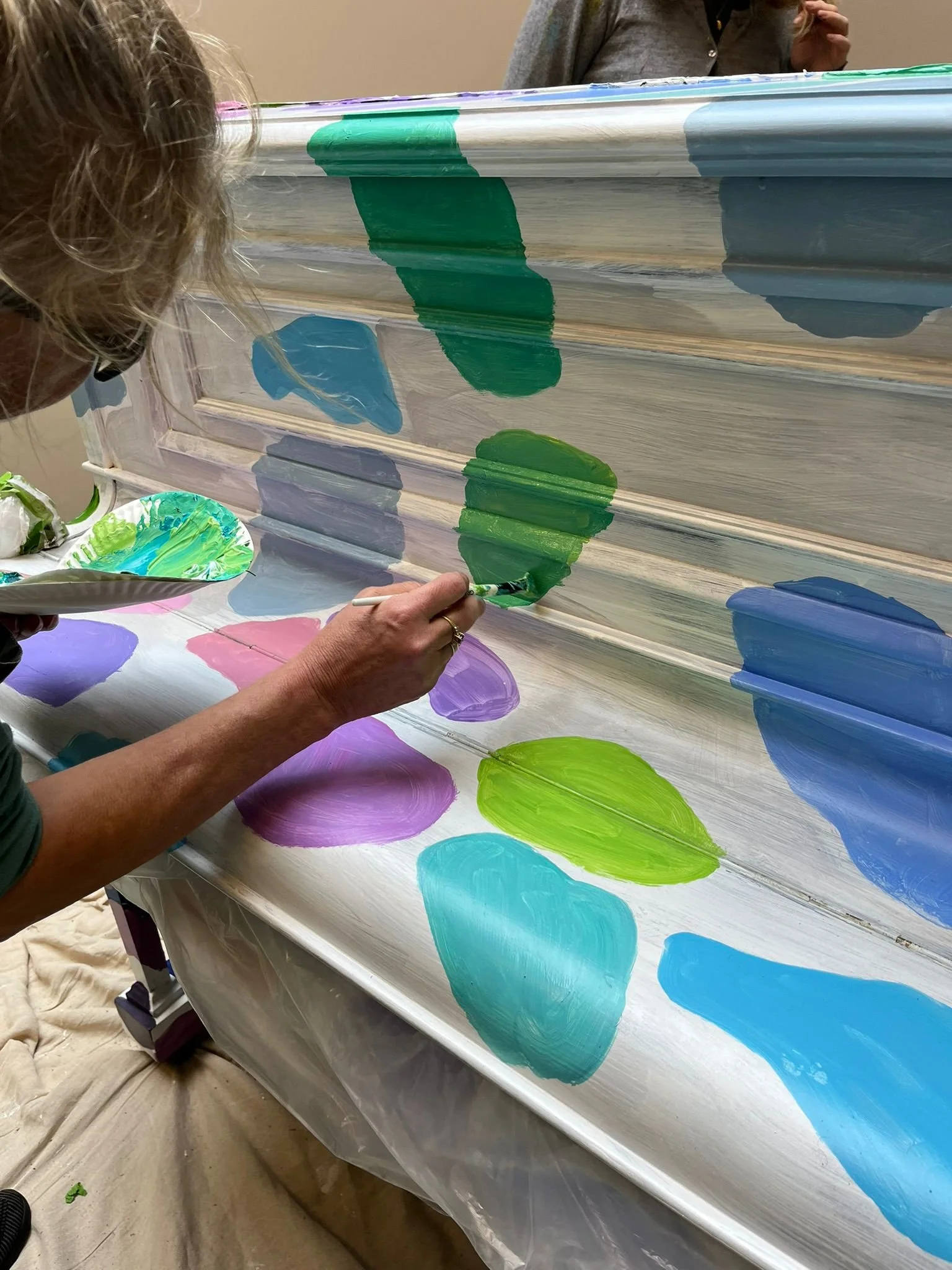
As Sophie explained, “Since then, more people have been involved in painting the piano, each person painting a different pebble in the design, mixing colours and adding their brush marks. Many different people have come and gone throughout the project, making their mark on the piano. Something that is always important to me is to be inclusive. I never want an art activity to feel intimidating, or that someone can make a 'mistake' or do something 'wrong' . The simplicity of painting colours and shapes makes it become accessible to so many people with different perceptions of what art is, or what it can be. It's been really special to see some clients come in and initially not get involved, then an hour or two later, come back to pick up a paint brush and make their mark.”
The project is now well underway, and Sophie told me, “I'm excited to see the final outcome of the piece and see people play it at Hastings train station!”

-
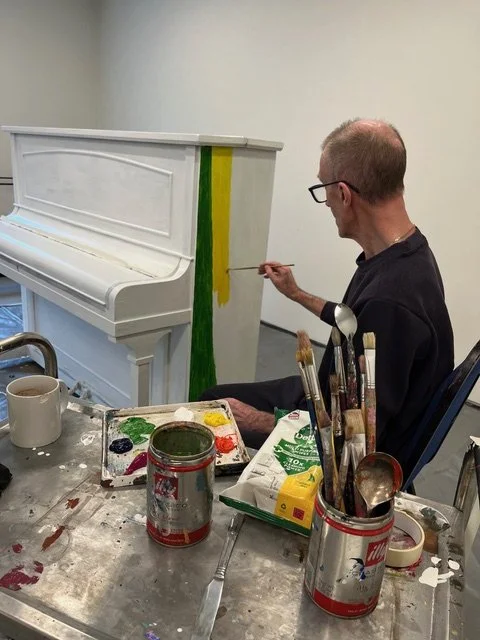
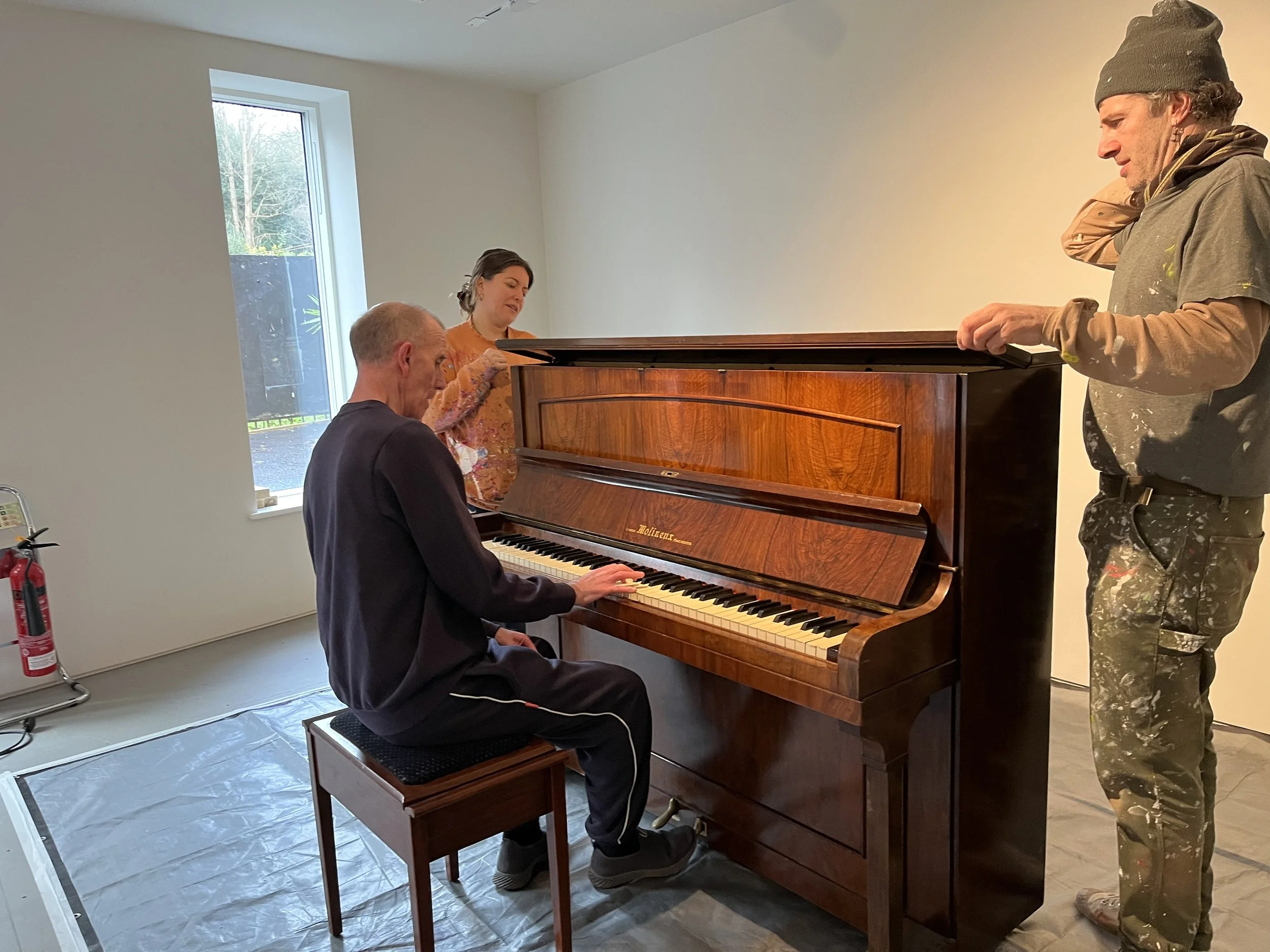
The transformation of the third piano is being undertaken by artist Mark Lockton. Mark is a multi-talented artist who works across a wide range of media; he is based at the Project Art Works supported studio in Hastings. Their website explains, “Project Art Works collaborates with people with complex support needs, families and circles of support. Our practice intersects art and care, responding to neurodivergence, its gifts and impacts.” And their team told me, “When Project Art Works were approached about the project by the team at Hastings International Piano, we knew that Mark would enjoy the challenge.
“Across his practice, Mark continually seeks new ways to create visual impact, whether through painting, drawing, weaving, collage or woodworks. With a strong vision for the finished product, Mark also has a deep engagement with process. He also enjoys challenging himself though major projects undertaken over a number of months, working meticulously to finish each project before moving on to the next. Mark is an enthusiastic collaborator, often working with other members of the collective to develop his skills and achieve the scale, impact and detailed finish he insists on in his work.”
We can’t tell you much more about Mark’s plans for the Project Art Works piano, however. Mark said, “I love this project and my design is top secret!” We will just have to wait to see and play the piano in the Courtyard at Source Park!