

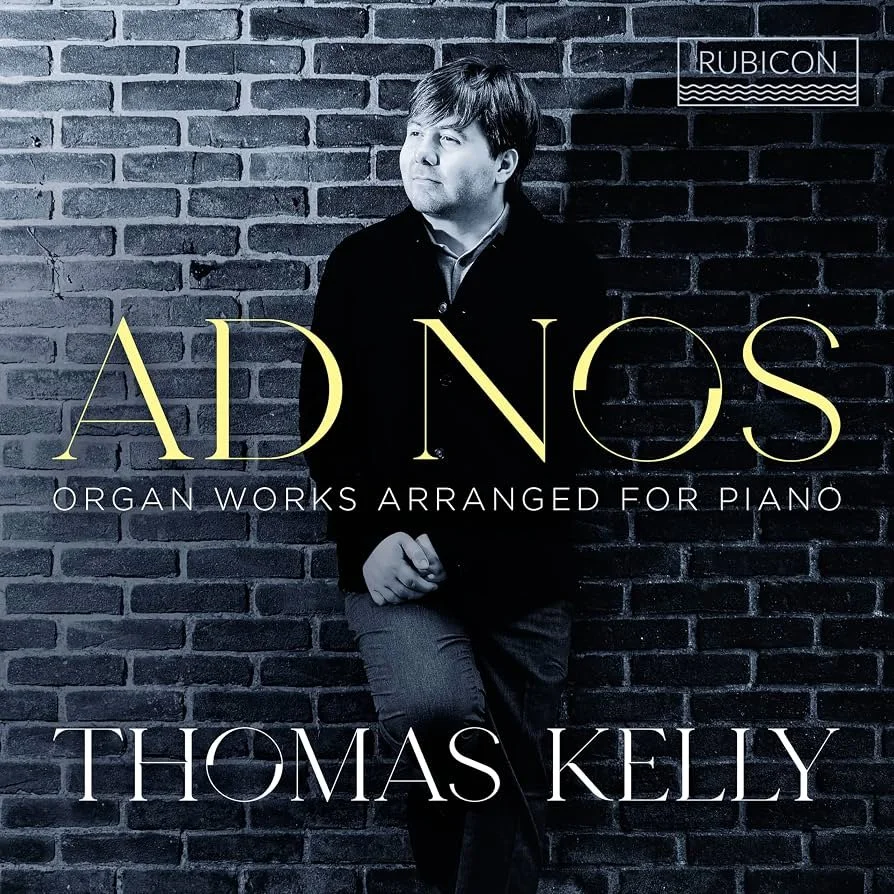
It has been a busy few months for Hastings prizewinner, Thomas Kelly. In January of this year he was a prizewinner at The Liszt Utrecht Piano Competition. Engagements followed in Holland, South Korea, Norway, France and Germany. His first complete CD, Ad Nos was released under the Rubicon label. It received glowing reviews and was the Editor's Choice in The Gramophone magazine. In the same edition they carried a half page article under the headline The One to Watch.
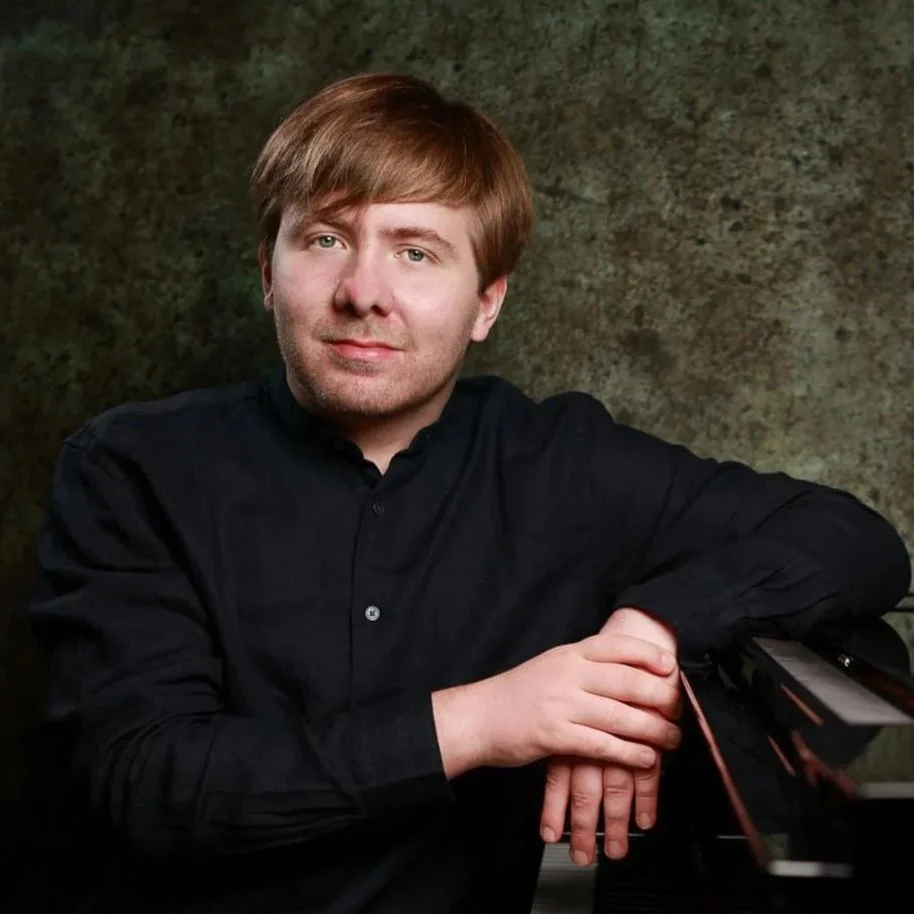
Alongside these international engagements Thomas returned to Jam in the Marsh for a recital in Hythe parish church. In late July he was the artiste in residence at The Burnhams Festival in North Norfolk. Here, the final evening took place in the pretty Burnham Thorpe church. Horatio Nelson was baptised here by his father, who was the vicar at the time. Many of Nelson's relatives are buried in the churchyard. A bust of the great man looked down from a plinth high on the wall as Thomas played the rarely performed Piano Concerto in E flat major by Sir Julius Benedict. Popular in its day, Benedict's work is now neglected. It is good that it was dusted down and showed off to great effect by Thomas. He received a standing ovation.
During the hot days of summer, Thomas travelled to Óbidos, Portugal, where he was awarded the Antena 2 / SIPO Prize at the Semana Internacional de Piano de Óbidos (SIPO) for his outstanding performance in the final concert of the masterclasses. As part of the prize, Thomas will return to Portugal next year to give three recitals, one of which will be broadcast on Portuguese radio.
Alongside other domestic appearances, Thomas gave a recital at The Etchingham Festival. It included works by Beethoven and Czerny. It was a great success and he was very well received. In September Thomas made his way to Italy to play in the beautiful Fazioli Hall on the outskirts of Sacile.
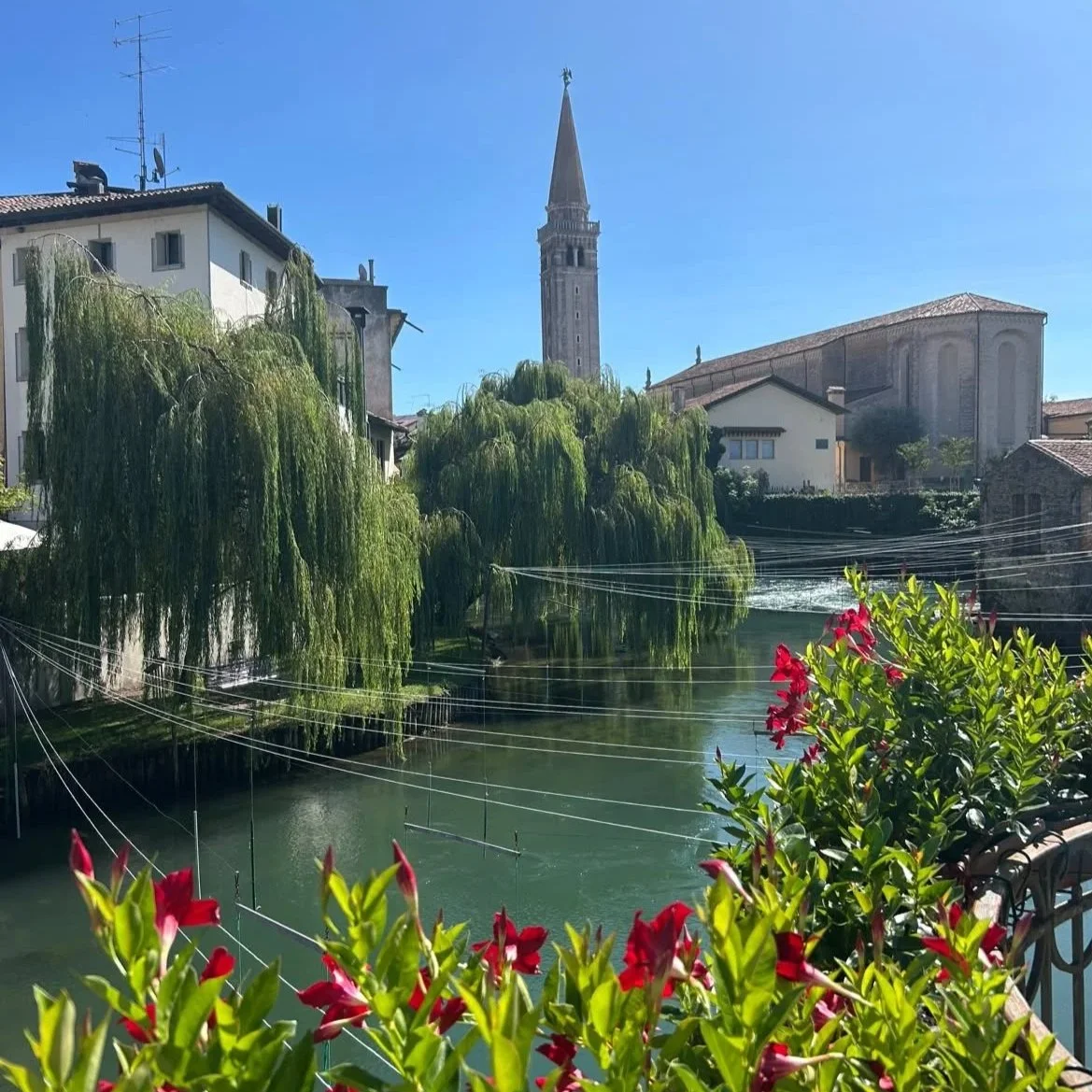
Sacile is not an easy place to visit unless you have a car. Some forty minutes away from Venice's Marco Polo airport, Sacile nestles under The Dolomites. It is a charming place quite free from tourists. Embraced by the river Livorno there are no grand buildings or collections of artworks by Italian masters. Its appeal lies in its quaint squares, bridges and colonnades. At one time the surrounding area was famed for its beautiful wooden furniture. Perhaps it is no coincidence that Paolo Fazioli began manufacturing his world-renowned pianos here. The functional workshops are 1.8 kilometres out of town.
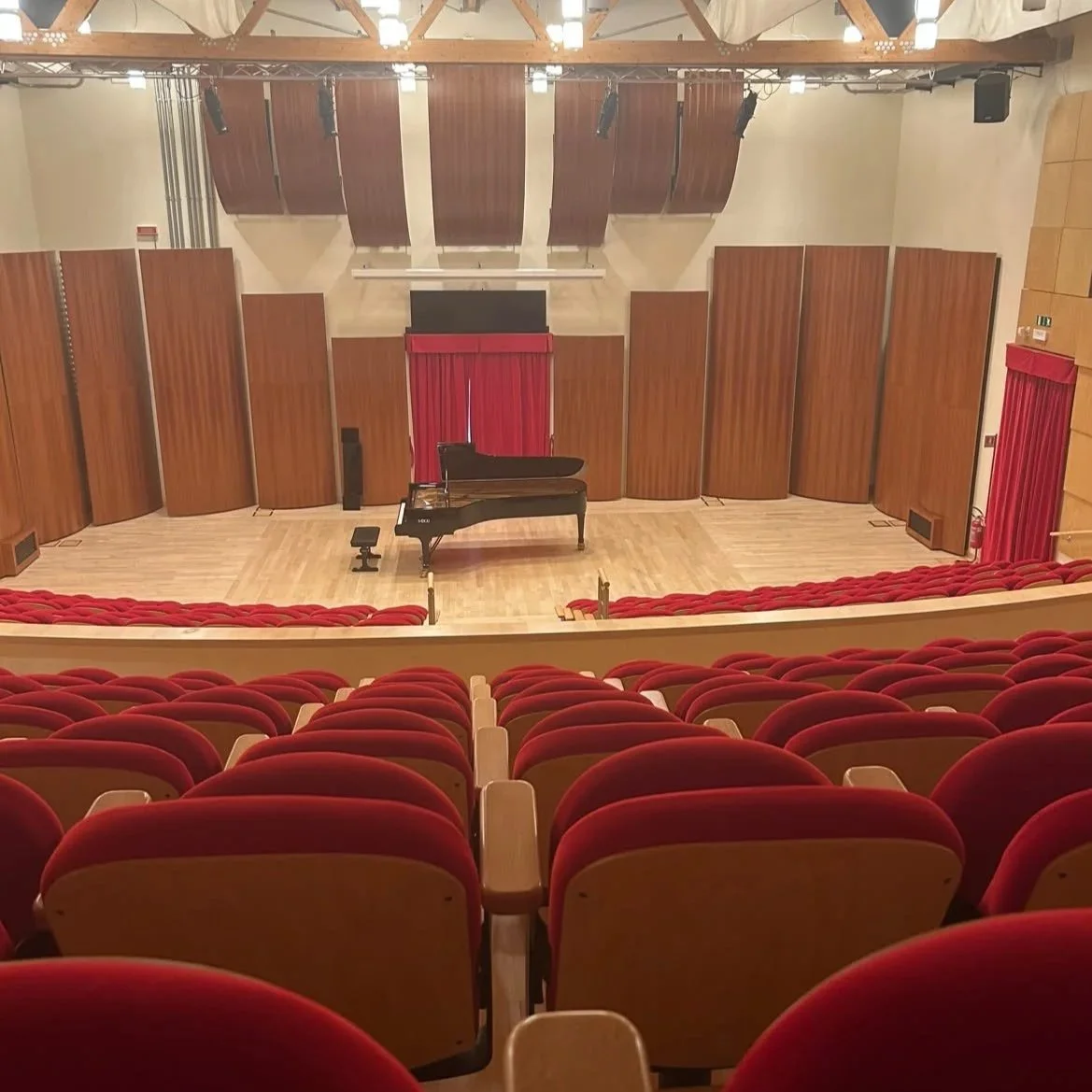
Next to the workshops stands the purpose built concert hall. It is of a simple design with the auditorium in red plush and natural wood. On the low stage stands a black, sleek polished piano. It is alone under the lights waiting to be played. The time of the recital arrives. All is hush. The red velvet curtains part and Thomas walks towards the glowing piano. This always seems a terrifyingly lonely moment for an artiste.
The first work in the programme was Liszt's Les Préludes. The audience applauded loud and long with many a bravo. Such was the excitement that Thomas had to delay his second piece, rising from the stool in acknowledgement. The second and third works were greeted in the same way. Following the complexities of Liszt's Fantasia and Fugue on Ad Nos ad Salutarem Undam, more was demanded by way of an encore. Thomas chose a Schubert Impromptu. Quiet and refined, it was a perfect end.
The whole recital was given under the watchful gaze of Paolo Fazioli. Outside in the lobby, Thomas was signing programmes for his new fans. All performers need sustenance after playing. Thomas, and my wife and I, were invited to have supper with Signore Fazioli. Happy chat was accompanied by pizzas and bottled beer. Thomas tucked in with gusto!
Such is the pianist's life that the next day he was off to Rome to give a private recital at the home of the Kowitz family and then to the USA.
